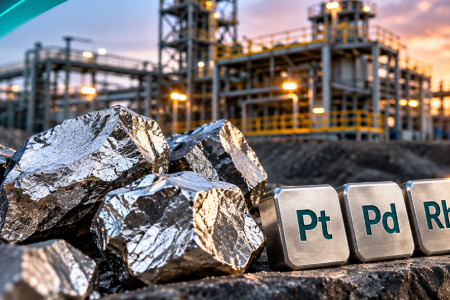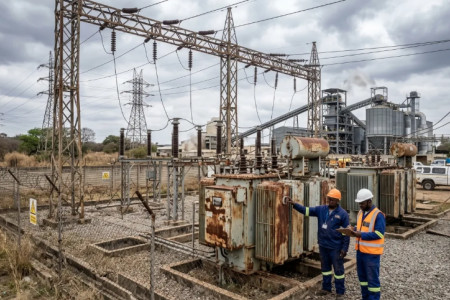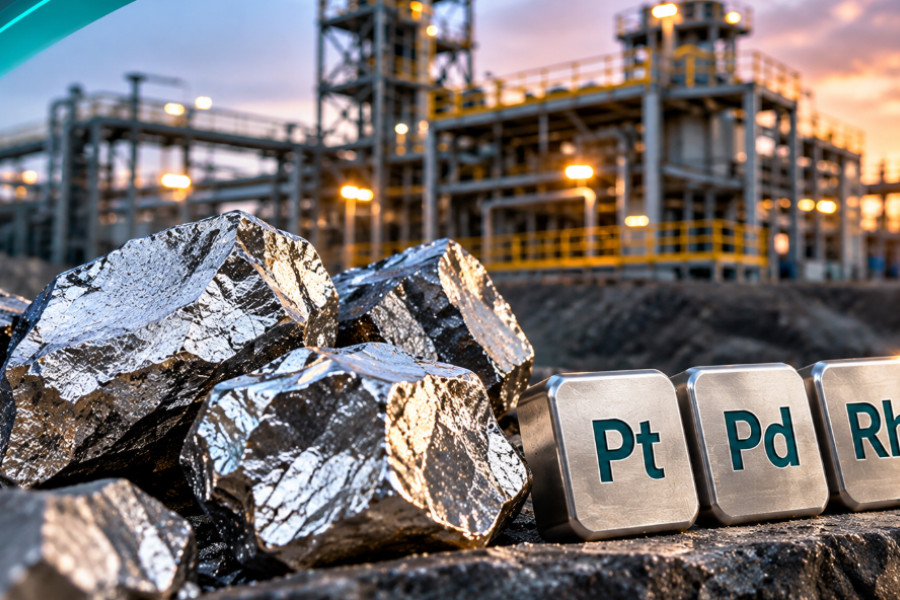
- Zimbabwe will introduce graduated export taxes on platinum group metals from 1 January 2027, ranging from 10% on washed ore to zero on fully refined individual metals, increasing the financial incentive for domestic processing
- PGM matte and concentrate generated approximately US$1.21 billion during the first half of 2026, with the new rates implying about US$78 million annually on an illustrative export value basis before exemptions and valuation adjustments
- The 2027 Budget provides a 1% tax rate for material processed through a base metal refinery, but the published draft Finance Bill omits that provision, potentially weakening the incentive for Zimplats' ongoing refinery investment

Harare- Zimbabwe's platinum group metals industry, dominated by Zimplats, Unki and Mimosa along the Great Dyke, faces a new export tax structure from January 2027 that will impose higher charges on minerals exported at earlier processing stages while exempting fully refined metals. The reform introduces a measurable financial advantage for domestic beneficiation, although a discrepancy between the National Budget and the draft Finance Bill threatens to weaken the incentive for base metal refining.
The omission is particularly consequential for Zimplats, which is investing in the restoration of its Selous Base Metal Refinery as part of its wider processing expansion programme.
In the 2027 National Budget presented to Parliament on 19 November, Finance, Economic Development and Investment Promotion Minister Mthuli Ncube proposed differentiated export tax rates covering five stages of PGM processing. The measures, scheduled to take effect on 1 January 2027 through amendments to Section 12D of the Value Added Tax Act, establish rates of 10% on washed ore, 5% on concentrate, 2.5% on smelter matte, 1% on PGM rich concentrate containing base metals and zero on refined individual PGMs. The taxable value is to be determined using international refined metal prices, with qualifying newer producers retaining an initial five year exemption.
The draft Finance Bill states that “tax at the rate of two comma five per centum” will apply to platinum group metals exported as matte, while a separate provision establishes a 5% charge on concentrates. The Budget's additional 1% rate for material produced after base metal separation is absent from the corresponding legislative clause. This leaves an important part of the proposed beneficiation incentive awaiting clarification before the measures become law.

The revised structure links export taxation directly to the degree of processing completed within Zimbabwe. Producers exporting washed ore would face the highest rate, with the burden declining as material progresses through concentration, smelting, base metal separation and final precious metal refining.
The arrangement establishes a financial incentive for investment at successive stages of the mineral value chain. A producer moving from concentrate to matte would reduce the applicable export tax rate from 5% to 2.5%, while processing beyond smelting into PGM rich concentrate would attract the proposed 1% rate. Fully refined individual platinum group metals would qualify for zero export tax.
The measures introduce an additional commercial consideration for producers already evaluating substantial expenditure on smelters, refineries and associated infrastructure. The economic benefit of each processing stage will depend on the value of the contained metals, the cost of building and operating additional facilities, electricity requirements and the availability of sufficient production volumes to support efficient processing.
The new tax framework also increases the importance of the valuation methodology used by the Zimbabwe Revenue Authority. The Budget proposes assessment against international refined metal prices, which may differ from the amounts realised when producers sell intermediate mineral products. Consequently, the effective tax burden could be higher than a calculation based solely on declared export receipts.

The Minerals Marketing Corporation of Zimbabwe reported PGM export earnings of approximately US$1.206 billion during the first half of 2026, comprising US$859.1 million from matte and US$347.6 million from concentrates.
These figures establish the concentration of national PGM export revenue in intermediate products that would become subject to the new differentiated rates. Matte accounted for approximately 71% of the combined value, demonstrating the progress already achieved in shifting part of the industry from concentrate exports towards domestic smelting.
Annualising the first half figures produces indicative matte export revenue of US$1.72 billion and concentrate exports of approximately US$695 million. Applying the proposed rates directly to those export values generates approximately US$43 million from matte and US$35 million from concentrate, equivalent to US$78 million annually.
The calculation is illustrative because the statutory valuation will depend on the refined metal content of exported products, international prices, exemptions and the final administration of the tax. Actual collections could differ materially, particularly where newer producers qualify for relief or where the refined metal value differs from the export selling price.
The implied burden nevertheless establishes the scale of the commercial incentive facing the industry. Producers that currently export intermediate products will need to incorporate the additional fiscal cost into operating margins, investment plans and decisions on further domestic processing.
Zimplats, Zimbabwe's largest platinum producer and a subsidiary of Impala Platinum Holdings, has been advancing the restoration of its Base Metal Refinery at Selous as part of its strategy to increase domestic mineral processing.
The company has previously disclosed expenditure of approximately US$36 million against an estimated US$190 million refinery rehabilitation budget. The facility is intended to remove base metals including nickel, copper and cobalt from PGM matte, producing a more concentrated precious metal intermediate product for subsequent refining.
Under the Budget's proposed structure, this processing stage would reduce the applicable export tax from 2.5% on matte to 1% on PGM rich concentrate. The difference creates a financial benefit equivalent to 1.5 percentage points of the taxable value, providing an additional return on investment alongside the commercial value generated through base metal recovery.
The published Finance Bill currently specifies rates for washed ore, concentrate and matte without incorporating the 1% category. This omission creates uncertainty over the tax treatment of material produced by a base metal refinery, particularly where the refined individual precious metals remain to be separated.
For Zimplats, the distinction affects the financial assumptions underpinning its ongoing refinery investment. Clear legislative recognition of the intermediate processing stage would allow the company to assess the fiscal savings associated with commissioning the facility and the remaining investment required to advance towards final precious metal refining.
The final legislation will need to establish the precise product classification and tax treatment following base metal separation. Greater clarity would also benefit other producers considering shared processing facilities or future investment beyond smelting.
July's beneficiation argument enters the Budget
The fiscal changes follow a broader debate over how Zimbabwe should accelerate domestic processing of platinum group metals.
In July 2026, Equity Axis examined the industry's progress in moving from concentrate to matte and argued for a defined route towards further domestic refining. The investigation, Lessons From Raw Mineral Ban: Is It Time to Set Time Bound Deadlines for PGM Matte Processing?, identified the need for coordinated investment in refining infrastructure, enforceable development milestones and a royalty mechanism linked to international PGM prices.
The report highlighted the substantial value already generated through domestic smelting while examining the additional processing activity taking place outside Zimbabwe, particularly in South Africa, where individual precious metals are separated and marketed.
It also proposed a shared refinery model supported by production from established and emerging PGM operators. Such a facility could pool mineral feedstock and distribute infrastructure expenditure across producers whose individual volumes may be insufficient to justify separate precious metal refineries.
The 2027 Budget advances the beneficiation objective by attaching differentiated export taxes to processing stages. The proposed measures address the location and extent of mineral processing, while the July article's separate recommendation for royalties that rise and fall with international prices has not been incorporated into the identified PGM export tax provisions.
This distinction matters because a processing based export tax and a price linked royalty influence mining economics differently. The export tax provides a financial incentive to process minerals further, while a price linked royalty would adjust the State's mineral revenue share across commodity price cycles.
Zimbabwe's proposed tax structure offers measurable savings for producers that advance towards final precious metal refining, although the capital requirements remain substantial.
Earlier industry estimates placed the potential cost of establishing a precious metal refinery at approximately US$300 million to US$500 million, depending on processing capacity, technology and supporting infrastructure.
At the first half 2026 matte export pace, eliminating a 2.5% export tax would represent an illustrative annual saving of approximately US$43 million if all affected national matte volumes qualified for final refining. This would be equivalent to roughly seven to twelve years of the estimated refinery construction cost when measured against the tax saving alone.
The comparison excludes operating expenditure, financing costs, additional processing revenues, metal recoveries and changes in production volumes. It also assumes that the entire relevant national matte export value becomes eligible for relief, making it a broad industry illustration rather than a project level investment appraisal.
The figures demonstrate why tax incentives alone may be insufficient to justify construction of a domestic precious metal refinery. Producers would need to establish reliable feedstock supply, commercially viable refining margins, access to electricity and financing arrangements capable of supporting a substantial industrial investment.
A shared facility could improve the economics by aggregating production from established operators and future mines, provided the participating companies agree on pricing, metal accounting, processing charges and investment responsibilities.
Equity Axis analysis
Zimbabwe's differentiated PGM export tax structure introduces a financial incentive for processing minerals further within the country. Its strongest feature is the recognition that beneficiation occurs through several capital intensive stages, each requiring different infrastructure and technical capabilities. The arrangement offers producers a measurable reduction in export taxation as they advance from concentration towards final metal separation.
Hence, the immediate priority should be resolving the difference between the Budget's 1% base metal refinery category and the published Finance Bill. The omission affects a processing stage in which Zimbabwe's largest platinum producer is already investing, and uncertainty over the applicable rate could weaken the financial benefit intended by the reform.
Government should also provide clear valuation guidelines for intermediate PGM products, particularly where taxes are assessed against refined metal prices. Producers require predictable treatment of recoverable metals, processing deductions and qualifying exemptions to assess the actual fiscal cost of exporting different products.
The wider objective should remain the establishment of commercially viable domestic refining capacity supported by sufficient production volumes, dependable infrastructure and long term investment arrangements. A graduated export tax can strengthen the incentive to process locally, although successful beneficiation will depend on the returns generated by additional refining expenditure.
Zimbabwe has already demonstrated substantial progress through increased matte production and the expansion of domestic smelting capacity. The 2027 Budget places a defined fiscal value on further processing. Completing the legislative framework and aligning it with credible refinery investment programmes will determine how effectively that incentive supports the next stage of industrial development.
Equity Axis News