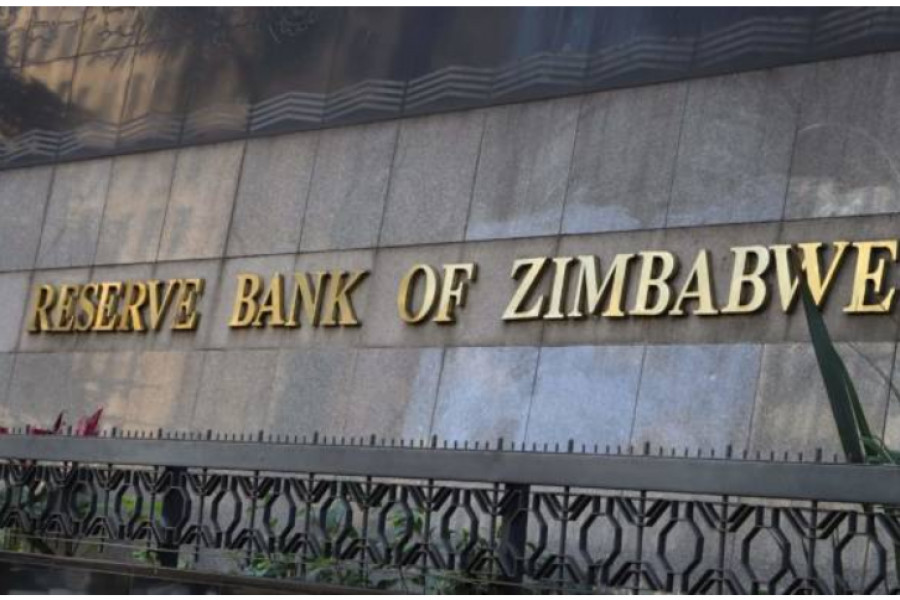
The CBDC consumer survey is made up of thirty questions which seek to ask participants about the difference between CBDCs and the local currency. It also aims to gauge the appreciation of the public in using digital currencies as a medium of exchange. CBDCs are digital versions of cash that are issued and regulated by central banks. In other words, CBDCs are a form of electronic money that does not require the physical transfer of cash. Of importance, CBDCs work in the same way mobile money operates as it allows for economic transactions without the need for internet access or banking accounts which is beneficial for a rural population with limited access to technology. With the success mobile money has had in increasing access to formal financial services from 30% in 2014 to 46% in 2022, the technology has the potential to increase efforts in line with the central bank’s Financial Inclusion Strategy II which is running from 2022 to 2026.
In line with the mandate of the RBZ to ensure macroeconomic stability, the adoption of the digital currency could prevent the national payments system from being dominated by a few privately issued currencies which could be a potential threat to the bank’s regulatory oversight.